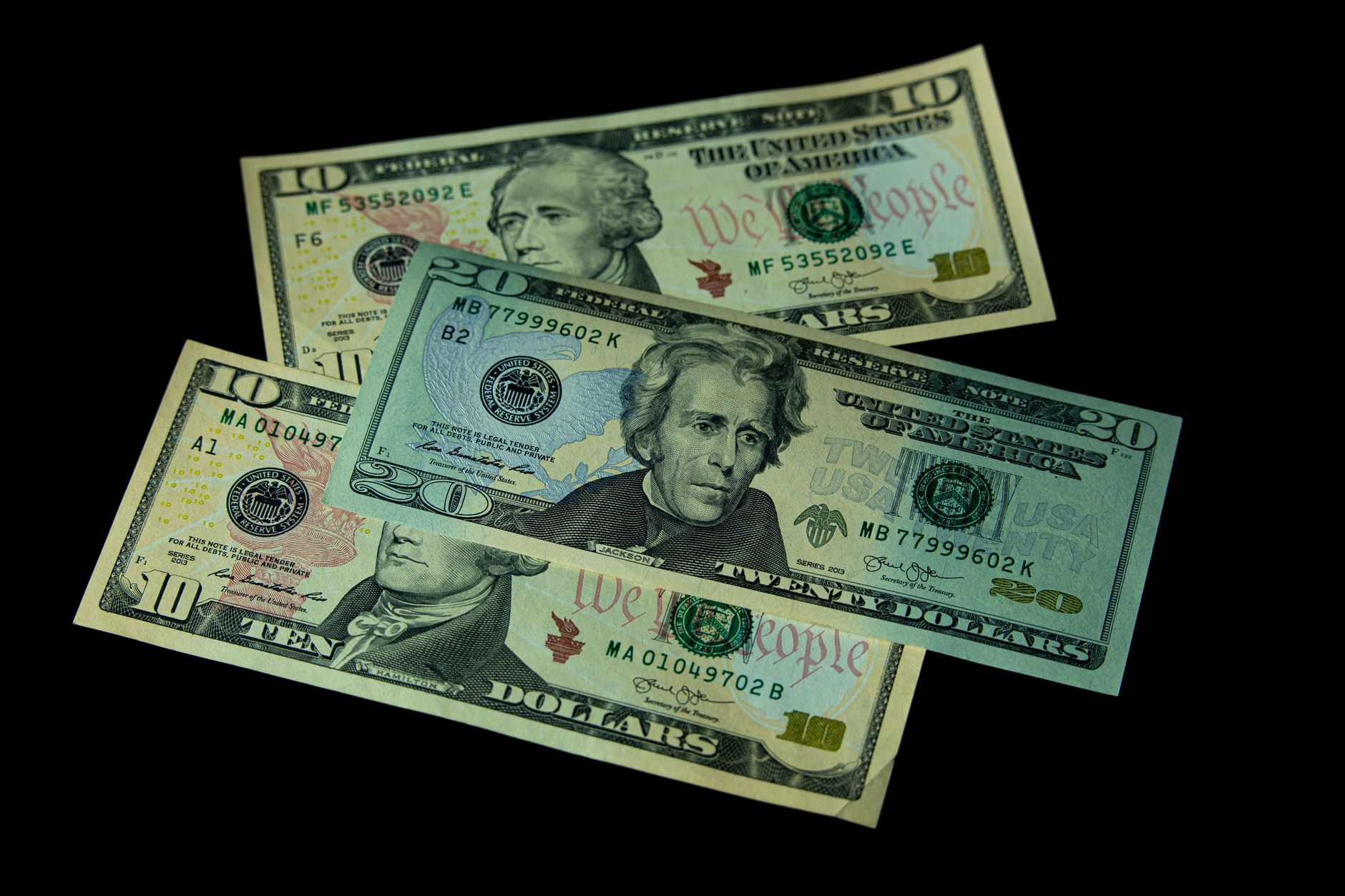
Dollar ticks higher as oil prices climb, influencing market dynamics and investor sentiment. This shift raises questions about the implications for businesses and consumers alike.
Understanding the Forex Market
The foreign exchange (Forex) market plays a critical role in global finance, influencing trade and investment decisions across the world. Understanding this complex marketplace is essential for both novice and experienced investors. The Forex market operates 24 hours a day, allowing for continuous trading of currencies.
As reported recently, the Dollar ticks higher as oil prices climb, reflecting a strong correlation between commodity prices and currency values. Several factors contribute to these fluctuations:
- Economic Indicators: Key data such as GDP growth, employment rates, and inflation can significantly impact currency strength.
- Central Bank Policies: Decisions made by the Federal Reserve, including interest rate hikes, can lead to shifts in investor confidence and currency valuation.
- Geopolitical Events: Tensions or agreements between countries can cause volatility in the Forex market, affecting the Dollar and other currencies.
Investors must stay informed about these dynamics, especially during periods when the Dollar ticks higher, as it may present lucrative opportunities in the Forex market.
Impact of Oil Prices on Currency
The fluctuations in oil prices significantly influence the value of currencies, particularly the US dollar. Recently, as oil prices have climbed, the dollar ticks higher, reflecting increased investor confidence. This relationship can be attributed to several factors:
- Trade Balances: Higher oil prices can improve the trade balance for oil-exporting countries, affecting currency values globally. A strong dollar often results when the US economy benefits from its own energy production.
- Inflation Rates: Rising oil prices can lead to increased inflation, prompting central banks to consider interest rate hikes. As expectations for the Federal Reserve to raise rates firm, the dollar gains strength.
- Investor Sentiment: When oil prices rise, it can signal economic growth or recovery, making the dollar a more attractive investment. Investors tend to flock to currencies of countries with robust economic indicators.
As the dollar ticks higher amidst these changes in oil prices, potential investors must assess whether this is an opportune moment to enter the market.
Fed Rate Hike Predictions
The recent uptick in the dollar can be largely attributed to shifting predictions surrounding Federal Reserve rate hikes. As the market responds to economic indicators, investors are closely monitoring the Fed’s next moves, which could significantly impact currency values.
Currently, analysts are speculating that the Federal Reserve may increase interest rates due to persistent inflationary pressures. This potential action is causing the dollar to tick higher, as higher interest rates often attract foreign investors seeking better returns.
Key factors influencing rate hike predictions include:
- Inflation Rates: Rising consumer prices are prompting discussions about tightening monetary policy.
- Employment Data: Strong job growth indicates a robust economy, supporting the case for rate increases.
- Global Economic Trends: International developments can sway the Fed’s decisions, affecting the dollar’s strength.
As the dollar ticks higher, investors are weighing the potential benefits and risks associated with entering the market during this pivotal time.
Investment Strategies Amidst Changes
As the dollar ticks higher in response to rising oil prices and firming Fed rate hike expectations, investors are reevaluating their strategies. In this dynamic environment, it is essential to consider a few key investment approaches.
- Diversification: A diversified portfolio can help mitigate risks associated with currency fluctuations. By investing in various asset classes, investors can protect themselves against the volatility of the dollar.
- Currency Pairs: Traders may find opportunities in currency pairs that are closely tied to the dollar’s performance. Monitoring the USD against major currencies like the euro or yen can yield potential gains.
- Commodity Investments: With oil prices climbing, commodities may present attractive investment options. Investing in energy stocks or ETFs can provide exposure to the rising dollar and oil market.
- Fixed-Income Securities: As interest rates rise, fixed-income securities may become more appealing. Investors should explore bonds that offer higher returns in a strengthening dollar environment.
Ultimately, adapting investment strategies in response to changing market conditions can lead to more favorable outcomes during this period of dollar strength.
Market Reactions to Economic Data
The recent fluctuations in the forex market have led to notable market reactions, particularly as the dollar ticks higher amid rising oil prices. Traders are closely monitoring economic indicators that impact currency strength, including inflation rates and employment figures.
As inflation remains a concern, the Federal Reserve’s monetary policy decisions are under scrutiny. Experts suggest that a potential rate hike could further bolster the dollar’s value, making it an attractive option for investors. Analysts highlight several key points regarding market sentiment:
- Increased demand for the dollar: As oil prices climb, the dollar’s appeal often rises, especially among investors seeking stability.
- Impact of global economic conditions: International developments and trade relations can sway currency values, prompting swift market reactions.
- Investor strategies: Many are reassessing their positions, weighing the potential benefits of investing in the dollar against the backdrop of economic uncertainties.
Overall, the interplay between oil prices and the dollar’s performance continues to shape investor decisions.
Future Outlook for the Dollar
The future outlook for the dollar remains a topic of significant interest among investors and analysts alike. As the dollar ticks higher, several factors are contributing to its strength, prompting discussions about potential investment opportunities.
One of the key elements influencing the dollar’s trajectory is the ongoing volatility in global oil prices. With oil prices climbing, there is a tendency for the dollar to strengthen, as many commodities are priced in dollars. This relationship can create favorable conditions for those looking to invest in currency markets.
Additionally, the Federal Reserve’s indications regarding interest rates play a critical role. As expectations for a rate hike firm up, the dollar often sees an uptick in value. Investors are keenly watching economic indicators and Fed announcements, as these will likely influence the currency’s direction in the coming months.
In summary, while the dollar ticks higher, investors should consider both global economic conditions and domestic monetary policies to make informed decisions. The interplay of these factors will ultimately shape the dollar’s future and present investment opportunities.
Key Factors Influencing Currency Movements
The recent uptick in the dollar can be attributed to several key factors that influence currency movements. Understanding these elements is vital for investors looking to make informed decisions in the Forex market.
- Economic Indicators: Data releases such as employment figures and GDP growth have a direct impact on currency strength. Positive reports can bolster the dollar, as seen in recent trends.
- Interest Rates: The Federal Reserve’s stance on interest rates plays a crucial role. As expectations of rate hikes firm up, the dollar ticks higher in response to anticipated returns on investments.
- Geopolitical Stability: A stable political environment often strengthens the dollar. In times of uncertainty, investors tend to flock to the dollar as a safe haven.
- Global Market Trends: Movements in commodities like oil can influence the dollar. As oil prices climb, currencies of oil-exporting nations might weaken, providing an opportunity for the dollar to gain strength.
In light of these factors, it raises the question: is now the best time to invest in the dollar?
As the dollar ticks higher, investors are weighing their options in a fluctuating market. With the dollar ticks higher, many are questioning whether this trend will continue and what it means for investment opportunities.
Photo by Sergei Starostin on Pexels