
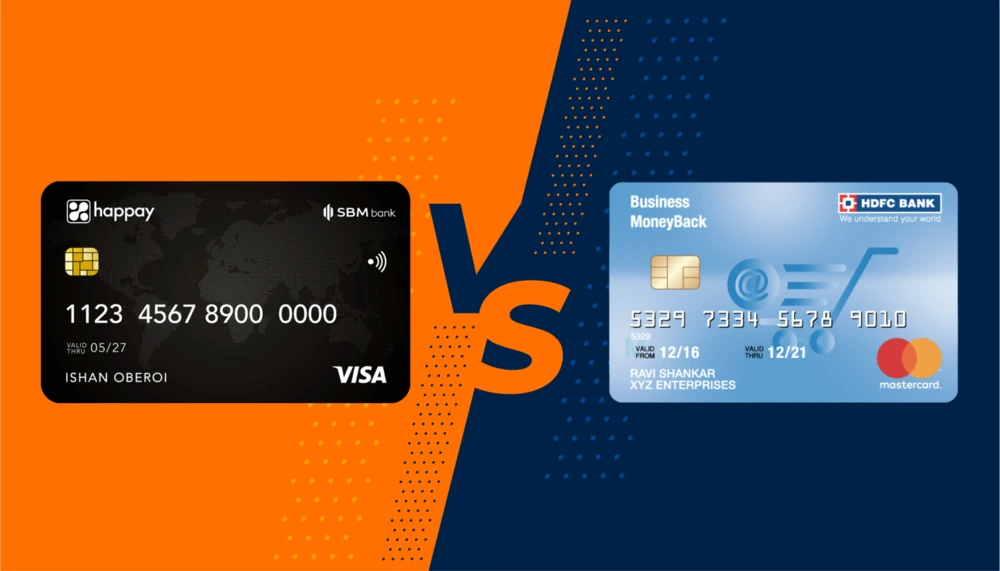
As businesses grow, so do their financial management needs. Today, many companies rely on card programs to control spending, streamline payments, and strengthen accountability. However, confusion often arises between two common instruments: Commercial Cards and Corporate Credit Cards. While they may appear similar, each serves a different purpose, audience, and spending structure.
Understanding these differences is key to choosing the right solution for your organisation.
What Are Corporate Credit Cards?
Corporate credit cards are typically issued to larger organisations that require expense management for senior employees, executives, or frequent travellers. They are designed for:
- Travel and entertainment expenses
- Client meetings
- Executive-level purchases
Corporate credit cards are usually backed by the organisation’s credit profile rather than an individual employee.
Key Features of Corporate Credit Cards
- Issued to specific individuals within the company
- Higher credit limits aligned with senior roles
- Centralised reporting and expense reconciliation
- Rewards and benefits focused on travel, dining, or business perks
Corporate cards also often include advanced expense control tools, ideal for companies with structured policies.
What Are Commercial Cards?
Commercial cards, on the other hand, cater to a broader business audience, including SMEs, mid-market firms, and enterprises. They cover multiple categories of spending beyond travel and hospitality, such as:
- Procurement and vendor payments
- Fleet and fuel expenses
- Subscription services
- Online business purchases
Unlike corporate cards, commercial cards may be issued to departments rather than individuals.
Key Features of Commercial Cards
- Designed for operational or department-wide expenditure
- Often includes category-based spending controls
- Enables bulk purchasing and vendor management
- Comes with strong reporting and reconciliation tools
Commercial cards bring more flexibility to everyday business spending, helping organisations track outgoing payments in real time.
Core Differences Between Commercial and Corporate Cards
1. Purpose of Spend
Corporate Cards = travel, executive expenses, representation.
Commercial Cards = procurement, operations, departmental spending.
2. Target Users
Corporate cards serve upper management and frequent travellers.
Commercial cards serve teams, departments, and procurement units.
3. Spending Limits
Corporate cards typically offer higher limits per user.
Commercial cards provide broader spending allocation across teams or projects.
4. Control & Visibility
Corporate cards focus on individual expense reporting.
Commercial cards offer wide-scale control and budget oversight.
Which One Should Your Business Choose?
The right card depends on your size, structure, and purchasing patterns.
1. Choose a Corporate Credit Card If:
You have frequent client meetings or travel needs.
You want benefits like travel rewards, lounge access, or concierge services.
You issue cards only to select senior staff.
2. Choose a Commercial Card If:
Your business requires department-wide purchasing.
You want project-based or cost-centre level budget control.
You need to manage supplier payments, subscriptions, or recurring invoices.
Why These Cards Matter for Financial Efficiency
Both commercial and corporate cards deliver value—but efficiency depends on alignment with business goals. When used correctly, they can:
- Reduce cash dependency
- Improve expense transparency
- Strengthen policy enforcement
- Speed up reconciliation and approvals
Contact Us
Commercial and corporate cards are no longer luxury tools—they are essential payment solutions for modern business. By understanding their differences, organisations can adopt the right card strategy to enhance financial discipline, support employee mobility, and simplify operational spending.
Whether you are a startup, SME, or large enterprise, choosing wisely ensures smarter control today and scalable financial management tomorrow.


