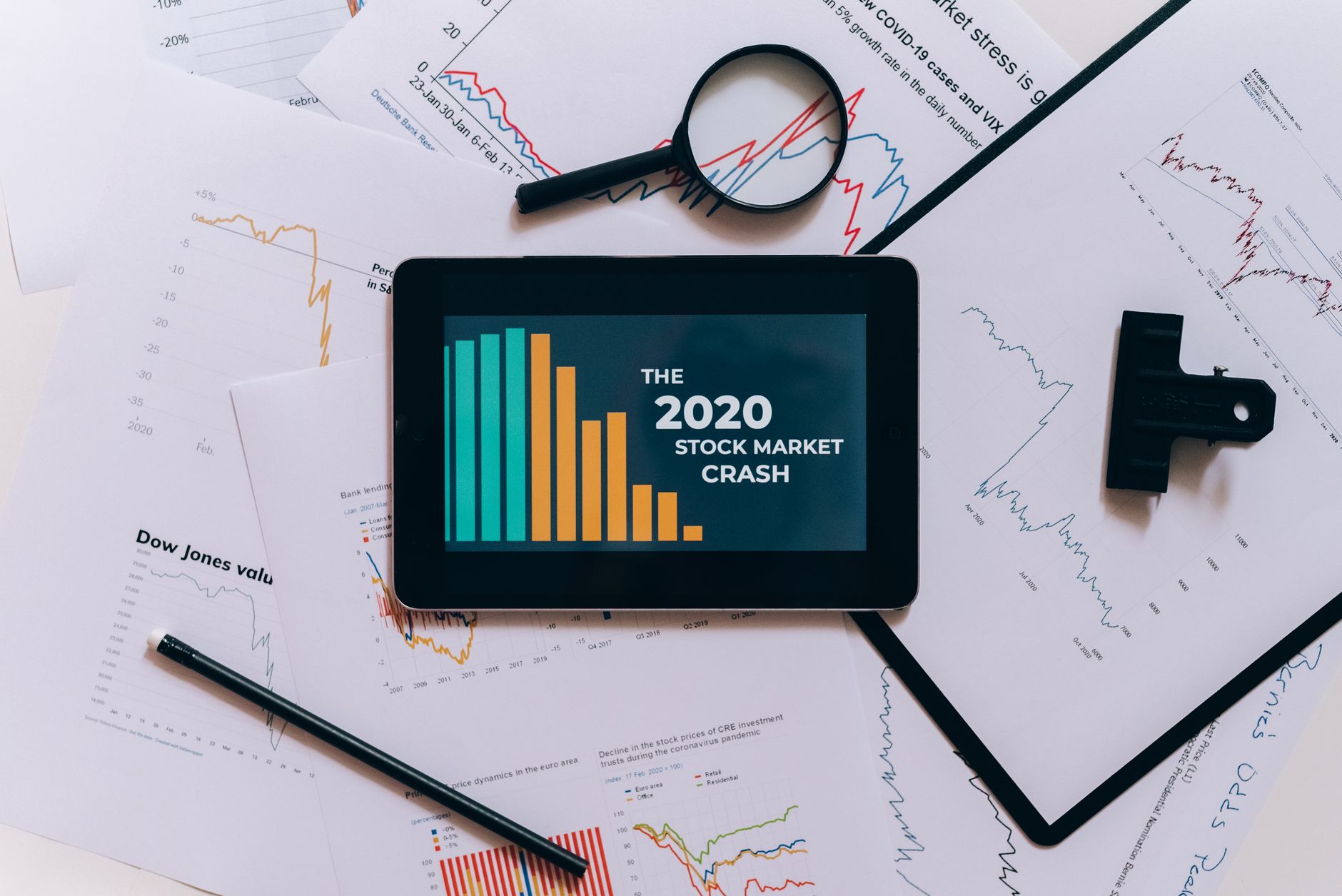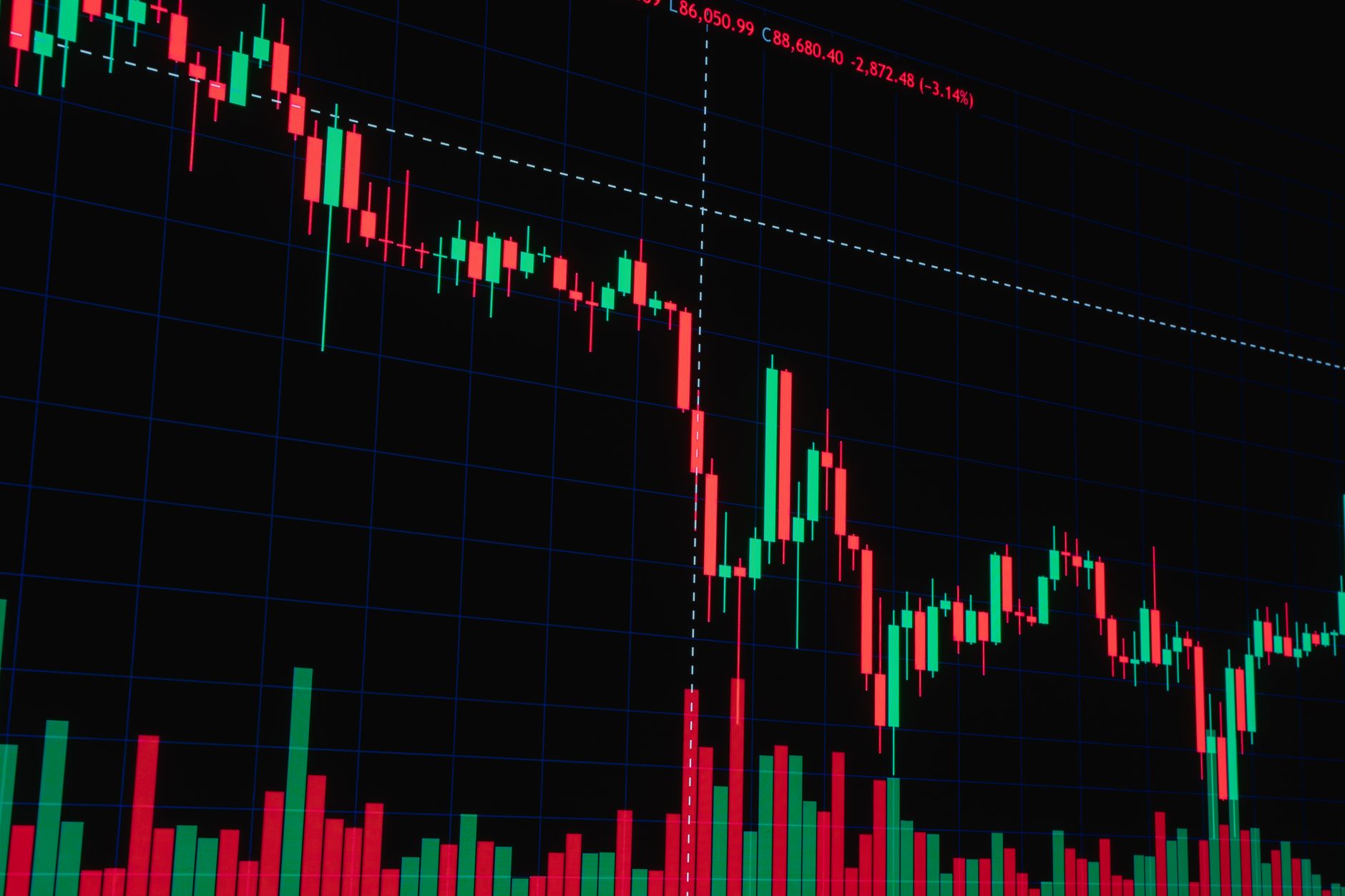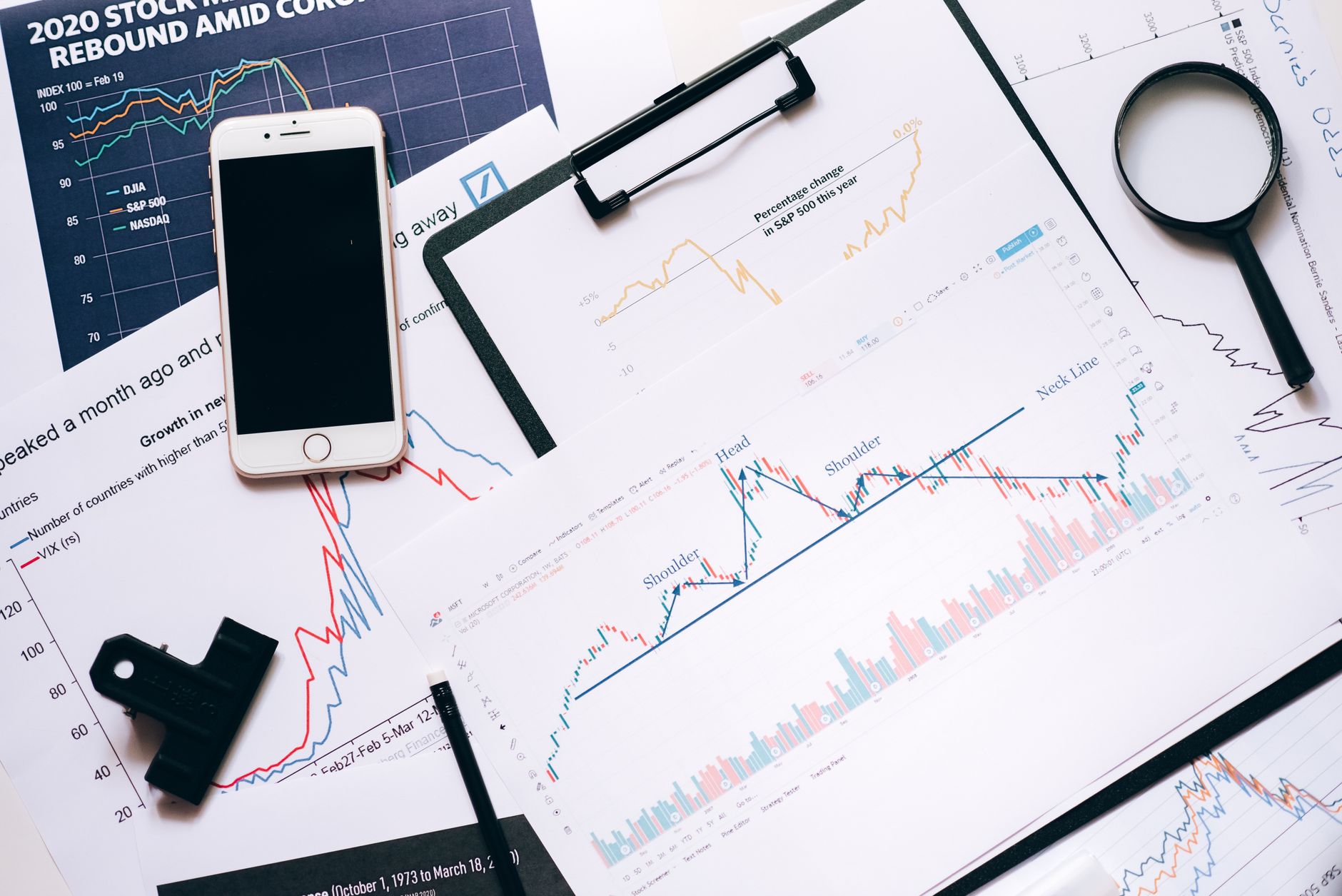
Markets rebound after sell-off, showing resilience as the Sensex rises over 300 points and Nifty crosses 23,200. Investors are optimistic about the recovery.
Understanding Market Movements
Understanding the dynamics of market movements is essential for investors and analysts alike. Recently, markets rebound after sell-off, demonstrating the resilience of financial systems. A sharp decline often triggers a wave of panic selling, resulting in lower prices. However, history shows that markets can quickly recover, as evident in the latest surge where the Sensex rose by over 300 points, and the Nifty crossed the 23,200 mark.
This recovery can be attributed to several factors:
- Investor Sentiment: The emotional response of investors can lead to rapid buying once confidence returns.
- Economic Indicators: Positive reports on employment and manufacturing can bolster market performance.
- Government Intervention: Policies aimed at stabilizing the economy can reassure investors.
- Global Trends: Movements in international markets can influence domestic performance as well.
Understanding these elements can provide insight into future market behavior.
Key Factors Behind the Rebound
The recent rebound in markets after the sell-off has been attributed to several key factors that contributed to the swift recovery. Investors are showing renewed confidence, driven by positive economic indicators and corporate earnings reports that surpassed expectations.
- Positive Economic Data: Recent reports indicate a stronger-than-anticipated growth in GDP, which has reassured investors about the resilience of the economy.
- Strong Corporate Earnings: Many companies have reported better-than-expected quarterly results, fueling optimism among traders and encouraging buying activity.
- Federal Reserve’s Stance: The central bank’s commitment to maintaining lower interest rates has alleviated fears of aggressive tightening, making equities more attractive.
- Global Market Trends: A rebound in international markets has also played a crucial role, as investors look to align with positive global trends.
These factors combined have led to a significant recovery, demonstrating that markets rebound after sell-off phases, often regaining lost ground swiftly.
Markets Rebound After Sell-Off
After experiencing a significant downturn, markets rebound after sell-off, showing signs of recovery that have reassured investors. The Sensex surged over 300 points, while the Nifty index crossed the 23,200 mark, indicating a strong comeback from recent losses.
Market analysts suggest that several factors contributed to this quick recovery:
- Investor Sentiment: Increased confidence among investors has played a crucial role in driving the rebound.
- Positive Economic Data: Recent economic indicators have suggested resilience in key sectors, bolstering market expectations.
- Global Cues: Positive trends in international markets have also contributed to the bullish sentiment.
As markets continue to stabilize, experts urge caution, emphasizing the need for investors to remain informed and vigilant in the face of potential volatility.
Future Outlook for Investors
As markets rebound after sell-off, investors are cautiously optimistic about future trends. Analysts suggest that while the recent recovery is encouraging, it is essential to remain vigilant as volatility may still persist.
Key indicators to watch include:
- Economic Data: Upcoming reports on employment and inflation will provide insight into economic health.
- Central Bank Policies: Decisions from central banks regarding interest rates could significantly impact market sentiment.
- Global Events: International developments, particularly geopolitical tensions, could influence market stability.
Furthermore, investors are advised to consider diversifying their portfolios to mitigate risks associated with potential market fluctuations. Long-term investments in stable sectors may offer a buffer against short-term volatility.
Ultimately, while the markets rebound after sell-off indicates a positive shift, investors should remain prepared for ongoing changes in the economic landscape.
Photo by Leeloo The First on Pexels