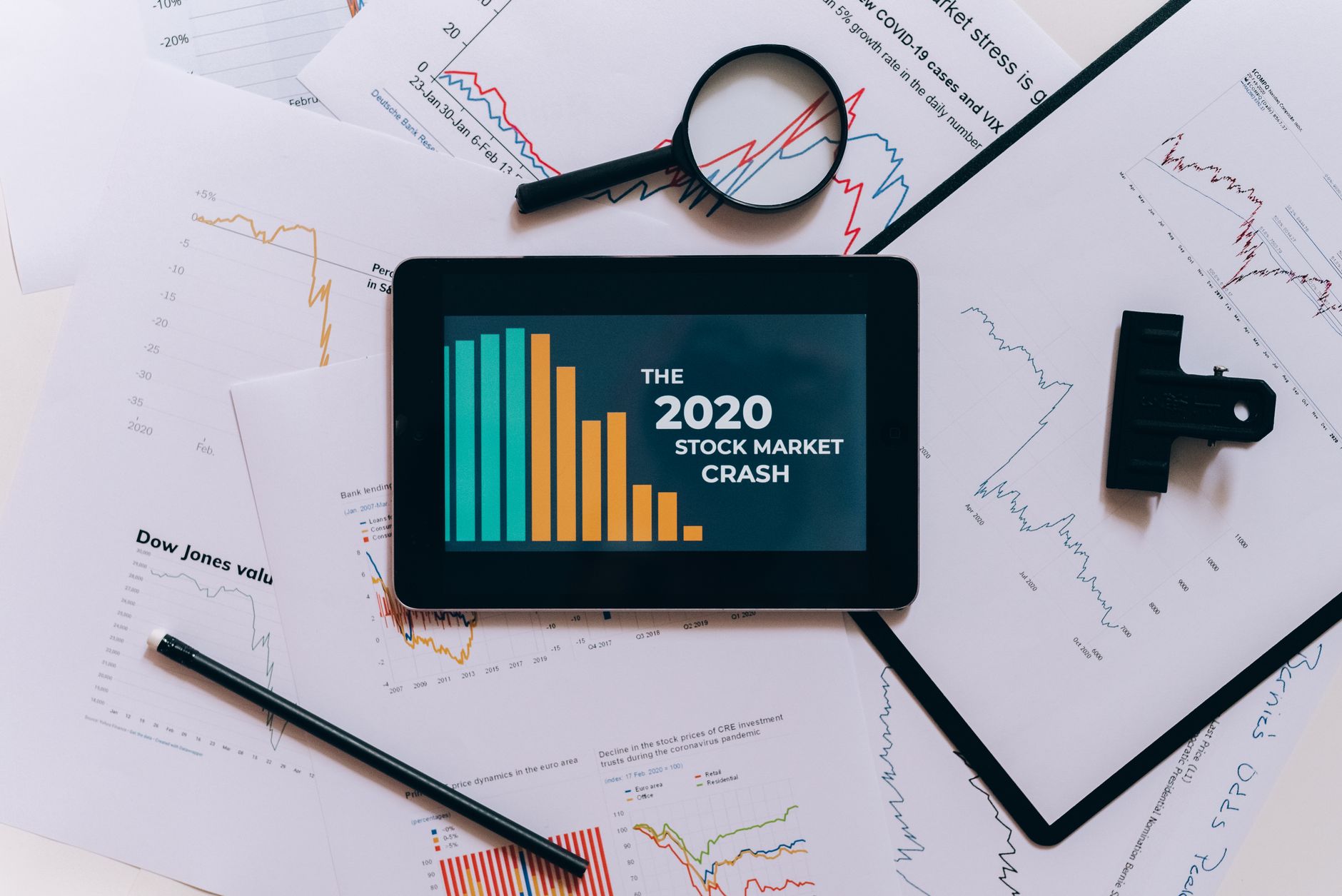
Sensex market drop has been a significant concern today as it fell by 252 points, driven by losses in the pharmaceutical sector. Investors are keenly observing these fluctuations.
Understanding the Sensex Market Drop
The recent Sensex market drop has raised concerns among investors as the index fell by 252 points, bringing the total down to a troubling level. Analysts attribute this decline primarily to significant losses in the pharmaceutical sector, which have pulled the Nifty below the critical threshold of 22,650.
Market experts are examining several factors that may have contributed to this downturn:
- Global Economic Trends: Uncertainty in international markets often spills over into domestic indices.
- Sector-Specific Issues: The pharmaceutical industry has faced regulatory scrutiny, impacting stock values.
- Investor Sentiment: A decline in confidence can lead to widespread sell-offs, exacerbating market drops.
As the Sensex continues to fluctuate, investors are left to ponder whether this is merely a temporary setback or an indication of deeper issues within the market. The coming weeks will be crucial in determining the trajectory of these indices.
Impact of Pharma Losses on Nifty
The recent Sensex market drop has been significantly influenced by the losses in the pharmaceutical sector. A decline in key pharmaceutical stocks has led to a ripple effect on the Nifty index, which fell below the crucial 22,650 mark.
Market analysts attribute this downturn to several factors:
- Regulatory Pressures: Increased scrutiny and regulatory hurdles have weighed heavily on pharma companies, affecting investor confidence.
- Supply Chain Issues: Ongoing disruptions in global supply chains have impacted production, leading to lower revenue forecasts.
- Pricing Pressures: Competitive pricing and shrinking margins in the pharmaceutical industry have resulted in significant stock sell-offs.
As a result, investors are concerned about the overall stability of the market, with many questioning whether this is merely a temporary setback or a more profound shift in market dynamics. With the combined impact of these losses, the Sensex market drop has raised alarms across various sectors.
Investor Reactions to Current Trends
As the Sensex market drop continues to dominate headlines, investors are expressing a mix of concern and caution regarding their portfolios. Many are questioning whether this decline signals the worst day for investors in recent memory.
A survey conducted among retail investors revealed several key reactions:
- Heightened Anxiety: A significant number of investors reported feeling anxious about their investments, fearing further declines.
- Increased Caution: Many are adopting a more conservative approach, opting to hold off on new investments until the market stabilizes.
- Focus on Fundamentals: Some investors are shifting their focus to companies with strong fundamentals, seeking safer havens amid the volatility.
- Long-term Perspective: A segment of investors remains optimistic, believing that market fluctuations are part of a larger cycle and that opportunities will arise from the current downturn.
Overall, the sentiment surrounding the Sensex market drop reflects a cautious but resilient approach among investors.
Historical Context of Market Fluctuations
The Sensex market drop is not an isolated incident but part of a broader pattern of fluctuations that have characterized the financial landscape over the years. Historical data indicates that significant market drops often follow a series of economic indicators, including fluctuations in global markets, changes in government policies, and sector-specific downturns.
For instance, during the 2008 financial crisis, the Sensex witnessed a dramatic fall, prompting widespread panic among investors. Other notable drops occurred in 2016 and 2020, often linked to geopolitical tensions or economic uncertainties. Investors have learned that such volatility is part of the market cycle, and understanding these patterns can provide valuable insights.
Currently, as the Sensex drops 252 points and the Nifty struggles due to pharma losses, many investors are left pondering whether this is the worst day for them. Market sentiment plays a crucial role, and awareness of historical context can aid in making informed decisions during turbulent times.
Expert Opinions on Future Predictions
Experts are weighing in on the recent Sensex market drop, assessing its implications for future trading. Many analysts believe that the current downturn, marked by a decline of 252 points, is a reflection of broader economic uncertainties rather than just isolated incidents in the pharma sector.
According to Rajesh Kumar, a leading market analyst, “The volatility we’re witnessing is expected to continue in the short term. Investors should brace themselves for potential further declines as companies adjust to recent losses.”
Another expert, Sita Menon, suggests that while the immediate future appears bleak, there may be opportunities for savvy investors. “Long-term strategies that focus on fundamentally strong companies could yield positive results once the market stabilizes,” she noted.
Ultimately, the consensus among experts is a cautious outlook. As the market reacts to both domestic and global factors, understanding the nuances of these fluctuations will be essential for investors navigating this turbulent landscape.
How to Navigate Market Drops Effectively
As the Sensex market drop continues to cause concern among investors, it is crucial to navigate these turbulent times effectively. Here are some strategies to consider:
- Stay Informed: Keep up with market news and economic indicators that can affect stock performance.
- Diversify Your Portfolio: Spreading investments across various sectors can mitigate risks during downturns.
- Focus on Long-Term Goals: Resist the temptation to make impulsive decisions based on short-term fluctuations.
- Consult with Financial Advisors: Seek professional advice to tailor your investment strategy to current market conditions.
- Consider Defensive Stocks: Investing in sectors that typically perform well during market downturns can provide stability.
By employing these strategies, investors can better manage their portfolios and reduce anxiety associated with market volatility.
Key Takeaways for Investors Today
The recent Sensex market drop has left many investors reevaluating their strategies in light of significant market changes. Here are some key takeaways for investors today:
- Market Sentiment: The decline of 252 points indicates a shift in investor confidence, particularly influenced by losses in the pharmaceutical sector.
- Diversification: Now is a crucial time for investors to consider diversifying their portfolios to mitigate risks associated with market volatility.
- Long-Term Perspective: Historical trends suggest that markets often recover from downturns; maintaining a long-term investment outlook can be beneficial.
- Stay Informed: Keeping abreast of market news and expert opinions can provide valuable insights into potential recovery patterns.
- Emotional Resilience: It’s essential for investors to remain calm and avoid impulsive decisions during such turbulent times.
As the market continues to fluctuate, understanding these factors can help investors navigate the current landscape more effectively.
Photo by Monstera Production on Pexels