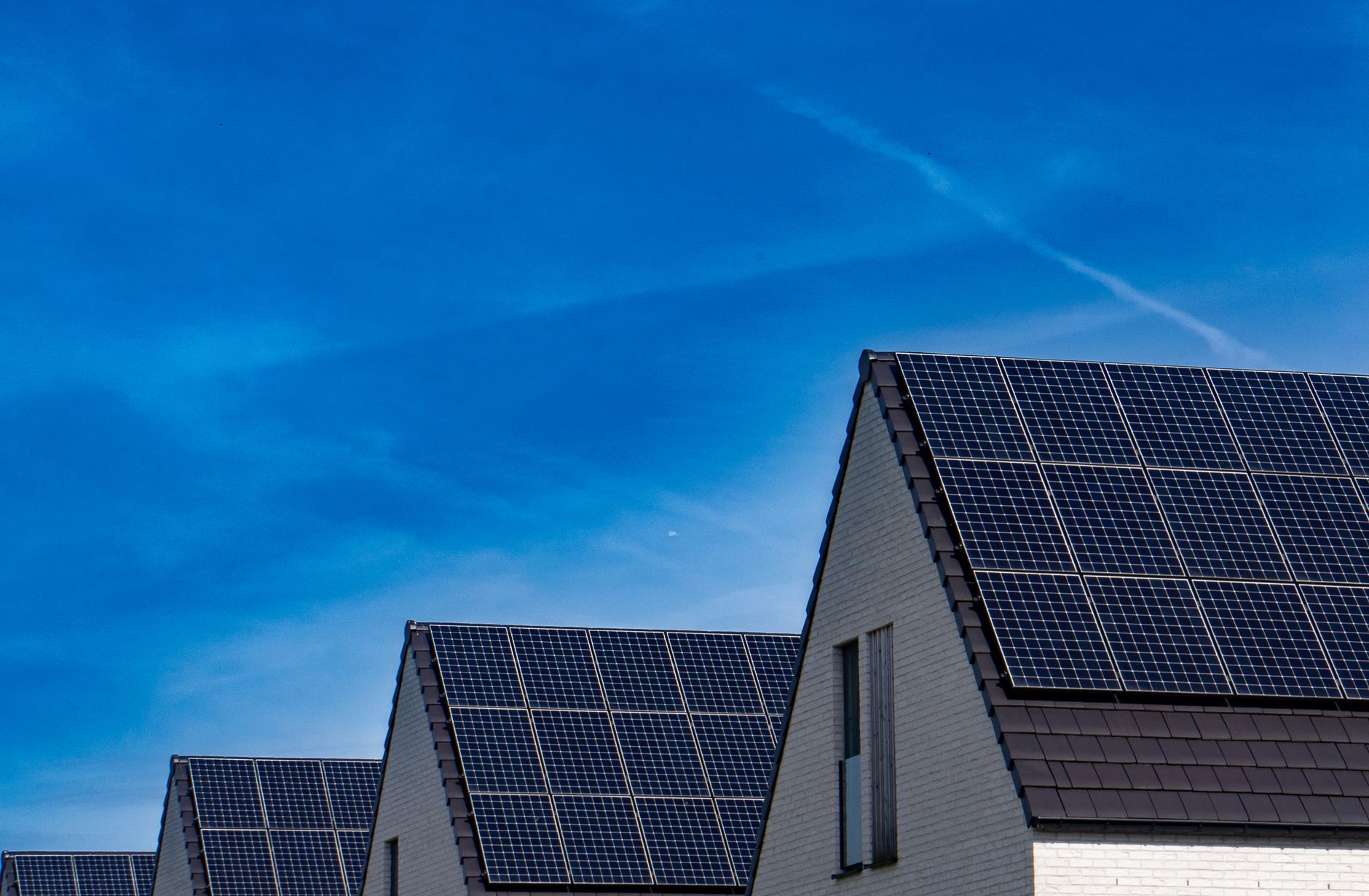
rooftop solar funding is becoming a hot topic as startups seek to capitalize on the expanding market. A recent startup is targeting $60 million in funding to boost its initiatives.
What is Rooftop Solar Funding?
Rooftop solar funding refers to the financial investments directed towards the development and installation of solar energy systems on residential and commercial rooftops. As the world increasingly shifts towards renewable energy, there is a growing emphasis on harnessing solar power, making rooftop installations a viable option for many property owners.
The significance of rooftop solar funding lies in its potential to reduce electricity costs, minimize carbon footprints, and promote energy independence. By securing funding, startups and established companies can innovate and expand their offerings, making solar technology more accessible to a wider audience.
In recent years, the rooftop solar market has seen substantial growth, driven by technological advancements and supportive government policies. Investors are keenly interested in this sector, recognizing the long-term benefits associated with sustainable energy solutions.
As noted in a recent article, a startup is currently seeking $60 million in funding, emphasizing the potential for substantial returns in the expanding rooftop solar market. This investment aims to enhance their operational capacity, develop innovative products, and extend their reach to untapped markets.
Overall, rooftop solar funding plays a crucial role in advancing the renewable energy landscape, enabling both economic growth and environmental sustainability. With continued support and investment, the future of rooftop solar looks promising.
The Growth of the Rooftop Solar Market
The rooftop solar market has witnessed significant growth in recent years, driven by increasing awareness of renewable energy and the need for sustainable solutions. With advancements in technology and decreasing costs, more homeowners and businesses are considering solar panels as a viable energy source.
Numerous factors contribute to this expansion:
- Government Incentives: Many states and local governments offer tax credits and rebates, making rooftop solar installations more financially attractive.
- Environmental Concerns: A growing number of individuals are motivated by the desire to reduce their carbon footprint and contribute to a greener planet.
- Energy Independence: With rising electricity prices, homeowners are seeking ways to secure energy independence and protect themselves from fluctuating utility costs.
- Innovative Financing Options: Financing solutions, such as leasing and power purchase agreements, have made it easier for consumers to adopt rooftop solar without substantial upfront costs.
As the market continues to expand, the question remains whether investments like the recent $60 million funding will sufficiently support startups and established companies aiming to capitalize on this trend. Industry experts suggest that such funding could play a crucial role in accelerating innovation and scaling solutions that make rooftop solar more accessible to a broader audience, ultimately reshaping the energy landscape.
Why Invest in Rooftop Solar?
As the demand for renewable energy sources continues to rise, investing in rooftop solar has become increasingly attractive for both homeowners and investors. Rooftop solar funding presents a unique opportunity to harness the sun’s energy while contributing to a sustainable future.
One of the primary reasons to invest in rooftop solar is the potential for significant cost savings on energy bills. By generating electricity from solar panels installed on their roofs, homeowners can reduce their reliance on the grid and lower their monthly expenses. In many cases, the return on investment is realized within a few years, making it a financially sound decision.
Additionally, government incentives and tax credits can further enhance the financial benefits of rooftop solar. Programs aimed at promoting renewable energy often provide substantial rebates or tax deductions for those who choose to install solar systems, effectively reducing the initial costs associated with installation.
Furthermore, investing in rooftop solar contributes to environmental conservation. By reducing carbon footprints and utilizing clean energy, homeowners participate in the global effort to combat climate change. This not only benefits the planet but also enhances property values, as homes equipped with solar panels are often seen as more desirable.
With the rooftop solar market expanding, the $60 million in funding being sought by this startup could catalyze further innovation and accessibility in the sector, driving down costs and making solar energy an even more viable option for many.
Challenges Facing Solar Startups
Despite the promising growth in the rooftop solar market, startups seeking rooftop solar funding face several significant challenges that can hinder their progress.
- High Initial Costs: The upfront investment required for solar technology and installation can be a barrier for both startups and consumers. Many potential customers are deterred by the initial financial commitment, which can slow market adoption.
- Competition: The solar industry is becoming increasingly crowded, with established players dominating the market. New startups must differentiate themselves to secure funding and attract customers, which can be a daunting task.
- Regulatory Hurdles: Navigating the complex landscape of federal, state, and local regulations can be overwhelming. Startups must ensure compliance with various laws and incentives, which can divert resources and attention away from innovation.
- Technological Advancements: The rapid pace of technological change in solar energy means that startups must continuously innovate to stay relevant. This requires consistent funding and a skilled workforce, both of which can be difficult to maintain.
- Market Volatility: Economic fluctuations and changes in energy prices can impact the rooftop solar market. This uncertainty can make it challenging for startups to secure rooftop solar funding, as investors may be hesitant to commit in such a variable environment.
Addressing these challenges is crucial for the future success of solar startups, especially as they seek significant funding to expand their operations.
Success Stories in Solar Funding
The expansion of rooftop solar funding has already yielded impressive success stories that illustrate the potential impact of such investments. Numerous startups have emerged, showcasing innovative technologies and business models that make solar energy more accessible and efficient for homeowners and businesses alike.
- SolarTech Innovations: This company secured $10 million in funding last year, which enabled them to develop a state-of-the-art solar panel that boasts a 25% increase in energy efficiency. Thanks to this funding, their customer base has grown exponentially, and they have expanded their operations into three new states.
- GreenFuture Solutions: With a focus on community solar projects, this startup raised $15 million in rooftop solar funding. Their initiatives have provided low-income families with affordable access to solar energy, resulting in reduced energy bills and a lower carbon footprint for thousands of households.
- EcoSmart Energy: After receiving $5 million in funding, EcoSmart Energy launched a groundbreaking app that allows users to monitor their solar energy production in real-time. This innovation has not only enhanced customer engagement but has also led to a 30% increase in referrals, demonstrating the power of effective solar funding.
These success stories highlight how rooftop solar funding can drive innovation, improve energy efficiency, and create meaningful change in communities across the country.
Future Trends in Renewable Energy
As the renewable energy landscape continues to evolve, several trends are emerging that could shape the future of rooftop solar funding. One significant trend is the increasing adoption of advanced technologies that enhance the efficiency and affordability of solar installations. Innovations in solar panel design, energy storage solutions, and smart home integration are making rooftop solar systems more appealing to homeowners and businesses alike.
Another trend is the rise of community solar projects, which allow multiple participants to invest in a shared solar installation. This model democratizes access to solar energy, especially for those who may not have suitable rooftops for solar panels. As community solar initiatives gain traction, they could attract more funding opportunities, thereby boosting the overall rooftop solar market.
Investors are also placing a greater emphasis on sustainability and environmental impact, making rooftop solar funding an attractive option. Companies that prioritize ethical practices and showcase their commitment to reducing carbon footprints are likely to draw interest from both individual and institutional investors.
Additionally, government policies and incentives are expected to play a crucial role in shaping future investments. With various tax credits and grants available, the financial landscape for rooftop solar funding could become even more favorable.
Overall, as the demand for clean energy rises, the potential for rooftop solar funding to thrive in a transformed energy market looks promising.
Photo by Budget Bizar on Pexels