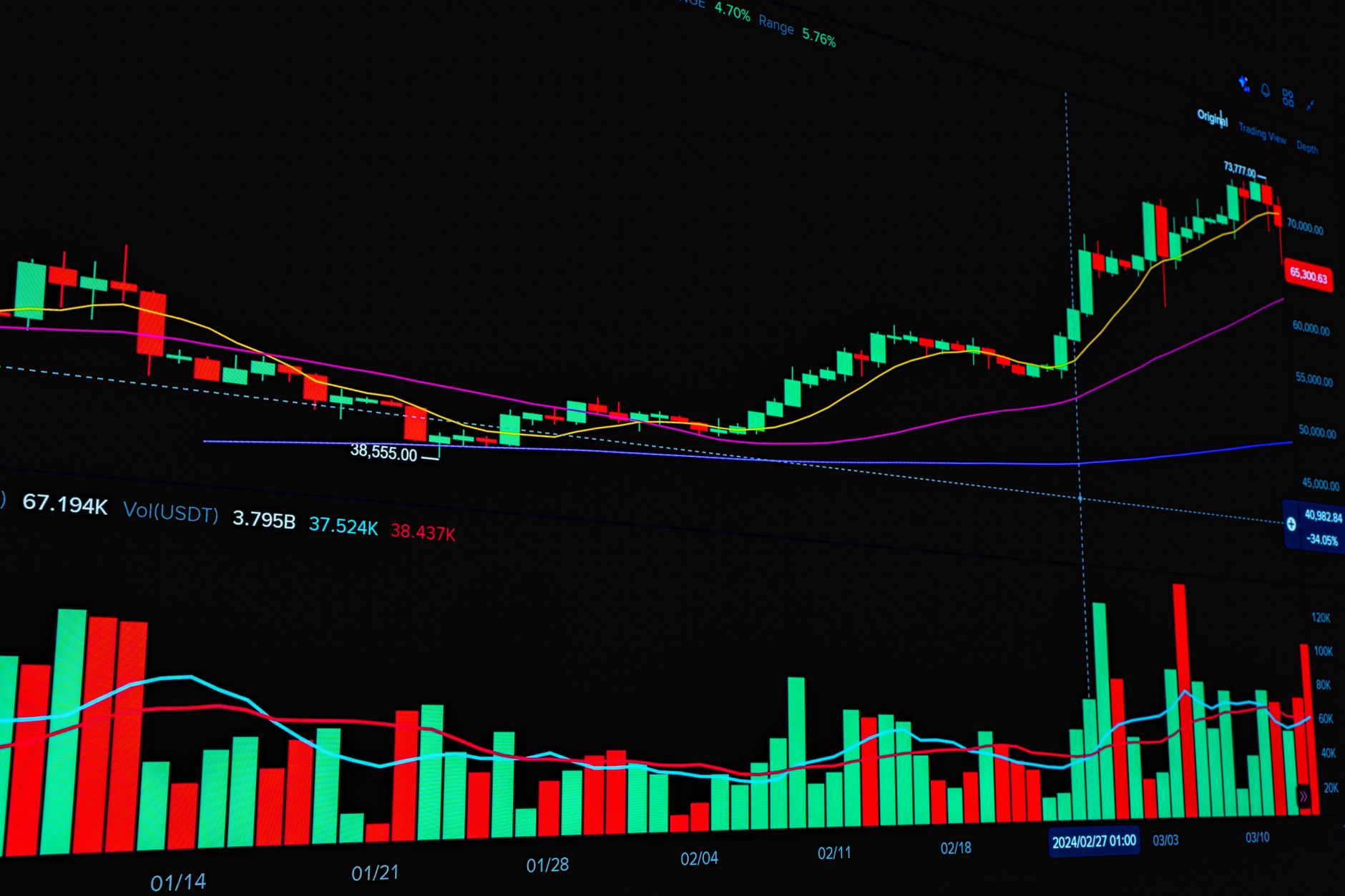
Japanese stocks fall as inflation fears hit cyclical shares, creating uncertainty in the market. Investors are reacting to rising costs and potential economic slowdowns.
Understanding the Current Market Trends
As inflation concerns escalate, Japanese stocks fall, reflecting a broader uncertainty in the market. Investors are increasingly wary of the impact that rising prices may have on economic growth and corporate profitability. This shift in sentiment has particularly affected cyclical shares, which are sensitive to economic fluctuations.
Several factors are contributing to the current market trends:
- Rising Commodity Prices: An uptick in global commodity prices has led to fears of persistent inflation, causing investors to reassess their portfolios.
- Central Bank Policies: The Bank of Japan’s stance on monetary policy remains a focal point, as traders speculate on potential interest rate hikes to combat inflation.
- Global Economic Concerns: Economic slowdowns in key markets, including China and the United States, have further exacerbated anxiety about the future of Japanese exports.
- Corporate Earnings Reports: Recent earnings reports have shown mixed results, with some companies struggling to maintain profit margins amid rising costs.
Market analysts suggest that caution may be warranted as the landscape evolves. With Japanese stocks falling, investors are urged to stay informed and consider the implications of inflation on both their short-term strategies and long-term investments.
Impact of Inflation on Stocks
The recent decline in Japanese stocks highlights the growing concerns surrounding inflation and its impact on the market. As investors grapple with rising prices, cyclical shares have particularly felt the brunt of these fears. Many analysts suggest that inflation may continue to pressure these sectors, which are typically more sensitive to economic fluctuations.
Several factors contribute to the current inflationary environment, including:
- Supply chain disruptions: Ongoing issues have led to increased costs for materials and labor.
- Global energy prices: Rising oil and gas prices have a trickle-down effect on various industries.
- Government stimulus measures: While intended to support economic recovery, these measures have also fueled inflationary pressures.
As a result, many investors are reassessing their portfolios, particularly in sectors like manufacturing and retail, which are more vulnerable to inflation. Some experts predict that if inflation persists, it could lead to further declines in cyclical stocks, ultimately affecting overall market performance.
In conclusion, the recent movement in Japanese stocks is a reflection of broader economic anxieties. As inflation fears hit cyclical shares, investors are urged to remain vigilant and consider diversifying their investments to mitigate potential risks.
Cyclical Shares Explained
Cyclical shares are stocks of companies whose performance is closely tied to the economic cycle. These companies typically see their earnings rise during periods of economic expansion and decline when the economy contracts. As a result, investors often look to these stocks as indicators of economic health.
Understanding cyclical shares is crucial, especially in the context of the recent downturn in the market. When inflation fears rise, as seen in the current climate, it can lead to a notable decline in the value of these stocks. Investors tend to become more cautious, fearing that rising costs will squeeze profit margins and dampen consumer spending.
Some key sectors that often comprise cyclical shares include:
- Consumer Discretionary: Companies that sell non-essential goods and services, such as retail and automotive.
- Industrials: Firms involved in manufacturing and construction, which are sensitive to economic growth.
- Materials: Businesses that produce raw materials, which are heavily influenced by demand in various industries.
- Financials: Banks and financial services that thrive in a growing economy.
As Japanese stocks fall amidst inflation fears, it becomes increasingly important for investors to monitor these cyclical sectors closely, as they may provide insights into future market movements.
Investor Reactions to Market Changes
Investor reactions to the recent downturn in Japanese stocks have been marked by a mix of concern and caution. As inflation fears loom large, traders are reassessing their strategies in light of the potential impact on cyclical shares. Many analysts believe that this shift could lead to a more volatile market as investors grapple with uncertainty.
Some investors are opting to withdraw from the market, choosing to take a defensive stance amid fears of rising prices. “The current inflationary environment has made it difficult to predict which sectors will perform well,” noted one market analyst. Consequently, there has been a notable shift towards more stable investments, with many turning to defensive stocks that are less sensitive to economic fluctuations.
In contrast, others see the current dip in Japanese stocks as an opportunity to buy undervalued assets. “This is a chance to invest in stocks that have strong fundamentals but are temporarily affected by market sentiment,” said a seasoned investor. They argue that cyclical shares, while currently under pressure, have the potential to rebound as economic conditions improve.
As the situation develops, it is clear that investor sentiment is heavily influenced by inflationary concerns, shaping strategies and expectations across the board. The outcome of these reactions will be crucial in determining the future trajectory of the Japanese stock market.
Historical Context of Japanese Stocks
The trajectory of Japanese stocks has often been influenced by a combination of domestic and global economic factors. Historically, the Japanese stock market has experienced significant fluctuations, primarily due to changing economic policies and international trade dynamics. During the 1980s, Japan’s asset price bubble led to unprecedented stock market highs, but the subsequent burst in the early 1990s initiated a prolonged period of stagnation known as the “Lost Decade.”
In the years that followed, various strategies were employed to revitalize the economy, yet challenges such as deflation and an aging population continued to weigh heavily on market performance. As the global economy began to recover in the 2000s, Japanese stocks saw a resurgence, particularly in cyclical shares linked to manufacturing and exports. However, this recovery was often punctuated by periods of volatility, reflecting investor concerns over external economic pressures.
More recently, the Bank of Japan’s aggressive monetary policies aimed at stimulating growth have played a crucial role in shaping market dynamics. Nevertheless, as inflation fears resurface, the impact on cyclical shares becomes pronounced, leading to a notable decline in Japanese stocks. These historical contexts provide insight into the current market situation, where investor sentiment remains fragile amid rising inflationary pressures and economic uncertainties.
Future Projections for the Market
As investors grapple with ongoing inflation concerns, the outlook for the Japanese stock market appears increasingly uncertain. Analysts predict that Japanese stocks may continue to fall in the short term as economic pressures weigh heavily on cyclical shares. These stocks, which are highly sensitive to economic cycles, could remain volatile until inflation rates stabilize.
Several key factors are expected to influence the market in the coming months:
- Monetary Policy Adjustments: The Bank of Japan’s decisions regarding interest rates will be crucial. Any sign of tightening could exacerbate the downward trend in Japanese stocks.
- Global Economic Conditions: As economies worldwide face similar inflationary pressures, Japan’s export-driven market may suffer. A slowdown in global demand could further impact cyclical shares.
- Domestic Consumption Trends: Consumer spending in Japan is a major driver of economic growth. If inflation continues to erode purchasing power, domestic consumption could decline, adversely affecting stock performance.
While some analysts suggest that market corrections could present buying opportunities, caution is advised. Investors should closely monitor economic indicators and remain vigilant regarding potential market shifts. In the face of inflation fears, the future trajectory of Japanese stocks remains a topic of intense scrutiny and debate.
Global Economic Influences
The recent drop in Japanese stocks can be attributed to a variety of global economic influences that have shaken investor confidence. As inflation concerns continue to escalate worldwide, many traders are reassessing their portfolios, particularly in sectors sensitive to economic fluctuations. The ripple effects of inflation are felt across various markets, leading to increased volatility and uncertainty.
Key factors contributing to the current situation include:
- Rising Commodity Prices: The surge in prices for essential commodities has heightened fears of sustained inflation, prompting concerns that cyclical shares may underperform.
- Monetary Policy Changes: Central banks around the globe are signaling potential interest rate hikes to counter inflation, creating apprehension among investors regarding the future of economic growth.
- Geopolitical Tensions: Ongoing geopolitical conflicts have also added to market instability, with investors wary of how these tensions might disrupt trade and economic recovery efforts.
- Supply Chain Disruptions: Lingering supply chain issues, exacerbated by global events, contribute to rising costs and inflation, further influencing market sentiment.
As Japanese stocks fall, market participants are closely monitoring these global economic indicators, seeking to navigate through the uncertainty that lies ahead. The implications of these factors could significantly impact the performance of stocks in the near term, particularly within cyclical sectors.
Strategies for Investors Amidst Inflation
As Japanese stocks fall amid rising inflation fears, investors are seeking strategies to navigate the uncertain market landscape. With cyclical shares particularly affected, it is crucial to adopt a proactive approach to investment decisions.
One effective strategy is to diversify portfolios. By spreading investments across various sectors, investors can mitigate risks associated with specific market fluctuations. Consider focusing on defensive stocks, which tend to perform better during economic downturns. These may include companies in utilities, healthcare, and consumer staples.
Additionally, maintaining a cash reserve can provide flexibility to capitalize on potential buying opportunities. Market corrections can present chances to acquire undervalued assets, particularly if the downturn is temporary and driven by fear rather than fundamental weaknesses.
Investors should also stay informed about macroeconomic indicators, such as inflation rates and central bank policies. Understanding these factors can help in making more informed decisions. Regularly reviewing investment goals and risk tolerance is also essential—particularly in turbulent times when Japanese stocks fall.
Lastly, consider consulting with financial advisors or utilizing investment tools that provide insights into market trends. This can enhance decision-making and potentially safeguard against volatility, allowing investors to maneuver through challenging periods more effectively.
As investors react to rising inflation concerns, Japanese stocks fall, particularly impacting sectors sensitive to economic cycles. Analysts predict that unless inflation stabilizes, Japanese stocks fall may continue to affect market confidence.
Photo by Rafael Minguet Delgado on Pexels
Where this came from
Related reading
2026 CRA Tax Brackets: Are They the Best for Canadians? · Sunfox Medtech funding: Is $7 Mn the Best Investment? · Repo Rate Hike: Experts Predict Major Shift Ahead